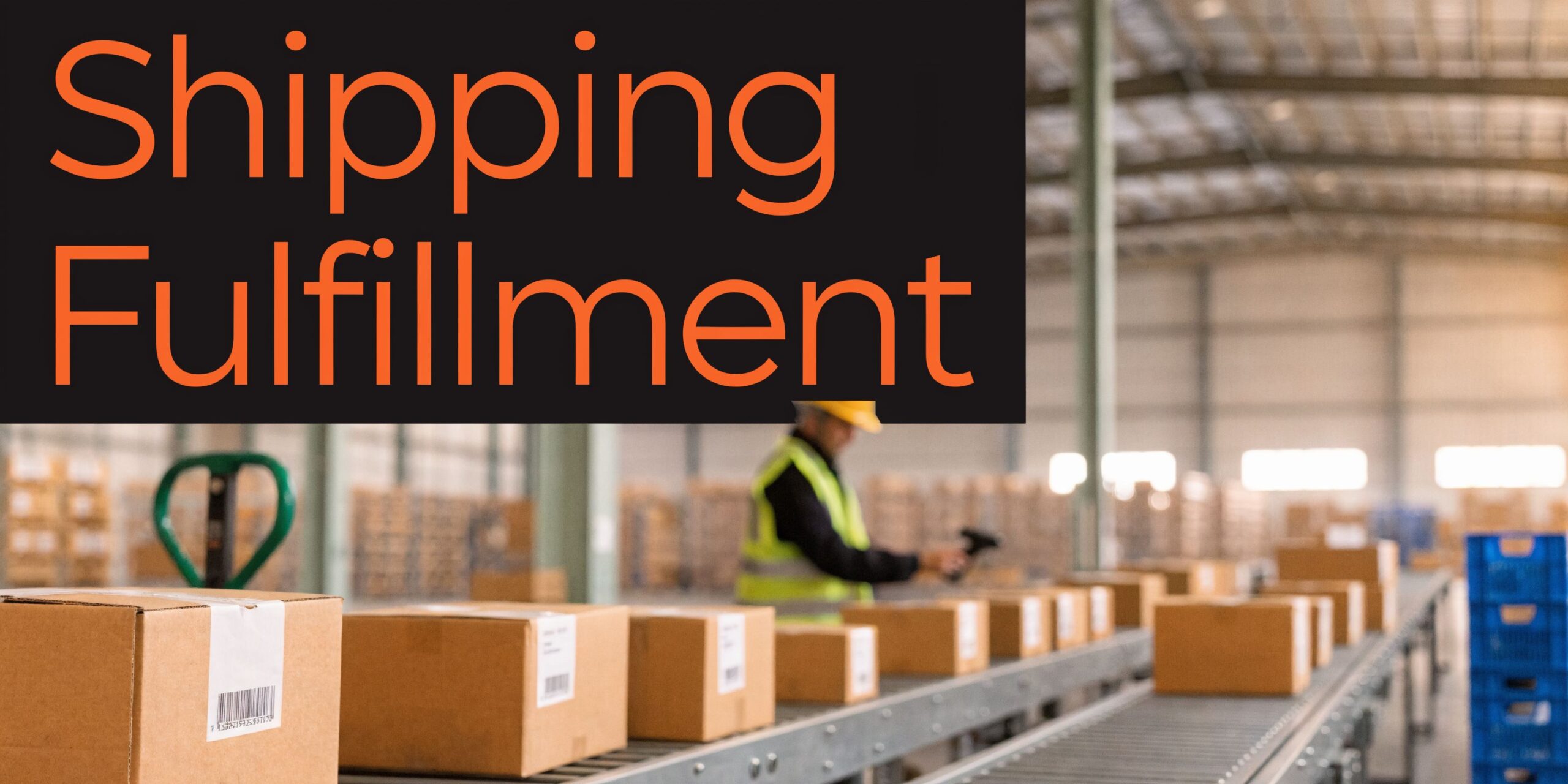
Tag: shipping fulfillment companies

  • 10 Best Shipping Fulfillment Companies for 2026

    10 Best Shipping Fulfillment Companies for 2026

    Your latest launch pops, then Thursday turns into a mess. Orders are stacked on the kitchen counter, one SKU is already oversold, and a late package lands in a customer support inbox before dinner. That is usually the point when fulfillment stops feeling like ops admin and starts affecting cash flow, repeat purchase rate, and how fast you can keep growing.

    The right shipping fulfillment company does more than store cartons and print labels. It needs to pick accurately, connect cleanly to your storefront, keep receiving organized, and ship at a cost structure your margins can survive. For an early-stage founder in Chicago or the broader Midwest, that usually means balancing two competing goals. You want regional speed and reasonable onboarding without paying for enterprise complexity you will not use yet.

    That is why generic rankings are not very helpful. A provider that works well for lightweight DTC apparel can be a poor fit for fragile bundles, Amazon-heavy brands, or founders still working through multichannel inventory management across Shopify, wholesale, and marketplaces.

    Outsourcing fulfillment is also more common now because the work itself got harder. Carrier performance, channel complexity, returns, and inventory placement all matter earlier than they used to. Analysts expect the category to keep expanding over the next several years, which matches what operators are already seeing on the ground. More brands are handing fulfillment to specialists because it has become a real operating function, not a side job for a small team.

    I narrowed this list to 10 providers that deserve a serious look in 2026, mixing national networks with options that make particular sense for Midwest founders. The focus here is practical. Where each provider fits, where it gets expensive, how long setup usually takes, and what to question before you sign.

    1. ShipBob

    ShipBob

    A Chicago founder hits the same wall all the time. Orders are coming from Shopify, Amazon starts pulling inventory in a different direction, and the back room system that worked at 20 orders a day starts breaking at 80. ShipBob is usually one of the first 3PLs I’d look at for that stage.

    The appeal is straightforward. ShipBob gives early-stage brands better software than many traditional warehouses, but it still has enough network depth to support growth beyond one location. That mix tends to matter for Midwest brands that want faster delivery to the Central and Eastern U.S. without committing to a sprawling enterprise setup on day one.

    Why it stands out

    ShipBob makes the most sense once self-fulfillment is eating too much founder time and a single-node setup is starting to create stockouts, split shipments, or messy routing decisions. For Chicago and broader Midwest brands, the regional angle is real. You can often serve a large share of customers from the middle of the country before you need to spread inventory aggressively across the coasts.

    Its software is also a practical step up from the email-and-spreadsheet style many smaller 3PLs still run. If your team is already dealing with Shopify, marketplace orders, and wholesale requests at the same time, better multichannel inventory management for Shopify, marketplaces, and wholesale is a real operational gain, not just a nice dashboard feature.

    I also like ShipBob for founders who want a provider that feels built for branded ecommerce first, instead of a warehouse that happens to accept DTC clients.

    Best fit and trade-offs

    Where ShipBob tends to fit:

    • Growing DTC brands: Good for teams moving out of founder-packed orders and into a repeatable 3PL workflow.
    • Midwest-based brands: A sensible option if your customer base is concentrated in Illinois, the Great Lakes region, or the Eastern half of the U.S.
    • Multi-channel sellers: Useful when you need one system handling Shopify, marketplaces, and retail orders with less manual reconciliation.

    Where I’d be careful:

    • Low-volume brands: The tech and network are helpful, but very small brands can end up paying for complexity they are not using yet.
    • Quote review: Pricing needs a close read. Storage, receiving, packaging choices, and special projects can quickly alter the total monthly cost.
    • Inventory placement: More nodes can improve delivery speed, but they can also raise transfer costs and create harder forecasting decisions if demand is still uneven.

    Practical rule: Ask ShipBob for pricing based on your current SKU mix, order volume, and average units per order, then ask for a second model based on your likely six-month volume. That second quote is often more useful than the first.

    Onboarding is usually more realistic for an early-stage brand than a legacy enterprise 3PL, but I would still press on timeline, inventory receiving steps, and who owns issue resolution during the first few weeks. A provider can have good software and still stumble during cutover.

    Website: ShipBob

    2. ShipMonk

    ShipMonk

    A founder in Chicago usually feels the pain point fast. Orders are going out, but the hard part is no longer printing labels. It is managing bundles, subscription cycles, inserts, rework, and the support tickets that follow when any of that breaks.

    That is the kind of operation where ShipMonk is worth a serious look. I see the fit most often with brands selling curated boxes, multi-item kits, promo bundles, and products that need more handling than a standard pick-pack-ship flow. If your team is spending too much time explaining special instructions to a warehouse, ShipMonk’s software and process structure can be a real step up.

    Where ShipMonk fits best

    ShipMonk is strongest when fulfillment is part warehouse job, part light assembly job. That matters for subscription brands, gift businesses, beauty and wellness bundles, and founder-led ecommerce teams that run frequent promotions. A generic 3PL can handle simple replenishment. It often struggles once every order starts carrying exceptions.

    For Midwest founders, the trade-off is straightforward. ShipMonk gives you a more polished operating layer than many regional warehouses, but it is still a scaled provider with rules, fee schedules, and process discipline. If you are based around Chicago and shipping nationally, that can be a good exchange. You get better system visibility and cleaner execution on kitting-heavy orders, while giving up some of the informal flexibility a smaller local warehouse might offer.

    Pricing is usually easier to model here than with providers that bury every service inside custom project work. That does not mean cheap. It means you can usually spot the cost drivers earlier. Kitting, custom packaging, inserts, subscription prep, and nonstandard receiving can all push the bill up, so founders should price the specific workflow, not the base case.

    What I’d watch

    ShipMonk gets more attractive as operational complexity rises, not just order count.

    • Best use case: Bundles, subscription boxes, influencer kits, and SKUs that need repeatable prep work
    • Good fit for early-stage teams: Founders who want a cleaner dashboard and a more structured onboarding process
    • Main pricing risk: Special handling and add-on services can outrun the savings if your margins are already tight

    I would also press hard on onboarding timeline. For an early-stage brand, a realistic implementation window matters as much as rate cards. Ask what has to be finished before inventory lands, who validates bundle logic, how returns are configured, and what support looks like during the first month. A fast sales process does not always mean a fast cutover.

    Practical rule: Give ShipMonk one messy workflow to quote and test. Include the bundle, the insert, the packaging variation, and the return path. That answer will tell you more than a polished demo.

    For Midwest brands choosing between a nearby warehouse in Illinois and a national provider, ShipMonk usually wins on process control and software. A smaller Chicago-area 3PL may still win on flexibility, local communication, and willingness to handle edge cases without turning each one into a billed project. The right choice depends on whether your bigger problem is lack of structure or lack of custom attention.

    Website: ShipMonk

    3. Flexport Fulfillment

    Flexport Fulfillment (Deliverr network)

    You launch a paid push, orders start coming in from Shopify, Walmart, and Amazon, and your Illinois warehouse can no longer cover the whole country without ugly zone costs. That is the moment Flexport Fulfillment starts to make sense.

    Flexport, built on the former Deliverr network, fits brands that already need national placement, not brands still proving demand. Its value is less about basic pick-and-pack and more about inventory positioning across multiple nodes so delivery promises stay competitive across channels.

    For Midwest founders, that distinction matters. A Chicago-area 3PL can still beat Flexport on access, exceptions, and speed of communication during the first few months. Flexport usually wins when your bigger problem is national coverage, marketplace routing, and keeping fulfillment logic consistent as volume spreads beyond the region.

    Where Flexport fits best

    I’d look at Flexport if you have three things happening at once: multi-channel sales, pressure to shorten delivery windows outside the Midwest, and enough order volume to justify distributed inventory. If you are still deciding between FBA and your own operation, this guide on Amazon FBA vs FBM for growing ecommerce brands is a useful gut check before you add another fulfillment layer.

    The upside is real. One system can handle broader reach without forcing you to stitch together several regional warehouses on your own. For brands selling nationally, that can reduce transit time and make shipping costs more predictable by cutting down long-zone shipments.

    Trade-offs early-stage teams should price in

    Flexport is rarely the low-friction choice for a small brand.

    • Best use case: Brands with national demand, marketplace exposure, and a reason to place inventory in more than one location
    • Main pricing signal: Usually quote-based, with economics that improve when volume and geographic spread are already there
    • Operational risk: Distributed fulfillment raises the cost of bad forecasting, stock imbalance, and messy SKU setup
    • Onboarding reality: Expect more setup work than you would with a local 3PL that can improvise around your process

    This is not a starter warehouse. It is a networked fulfillment model that rewards clean catalog data, steady replenishment, and channel discipline. If your team is still fixing product masters in spreadsheets or changing packouts every week, Flexport can feel expensive fast.

    For a Midwest brand, my advice is simple. Use Flexport when national speed is costing you sales or margin. Stay with a Chicago or regional partner when your bigger need is flexibility, close communication, and a faster ramp.

    Website: Flexport

    4. Amazon Multi-Channel Fulfillment

    Amazon Multi-Channel Fulfillment (MCF)

    A founder in Chicago gets this question fast: keep all fulfillment inside Amazon, or split Shopify and retail orders to a separate 3PL closer to home?

    Amazon Multi-Channel Fulfillment is the simplest answer when you already send serious volume through FBA. You can use the same inventory pool to ship orders from your site and other channels, which cuts setup work and avoids adding another warehouse partner before you are ready.

    That convenience is real. So is the trade-off.

    Where MCF fits best

    MCF works best for brands that already trust Amazon with inventory flow and care more about speed and operational simplicity than custom presentation. If your team is small, your catalog is stable, and you need national coverage without a long onboarding project, MCF can be the fastest way to get there.

    I see the strongest fit in three cases. First, a Midwest brand is selling nationally and does not want to open multiple warehouse relationships just to reduce delivery times outside Illinois. Second, the business has seasonal spikes and wants overflow capacity without renegotiating labor and space every quarter. Third, the founder wants one inventory position across Amazon and non-Amazon orders, even if that means giving up some packaging control.

    If you are still comparing channel economics, this breakdown of Amazon FBA vs FBM fulfillment trade-offs is worth reading before you commit.

    What early-stage founders should watch

    Amazon is fast. Amazon is also rigid.

    • Best use case: Existing FBA sellers who want to add DTC or marketplace fulfillment without onboarding a separate 3PL
    • Main pricing signal: Works better when the cost of speed matters more than branded packaging or special handling
    • Operational upside: One inventory system can be easier to manage than splitting stock across Amazon and a regional warehouse
    • Operational risk: Fees, prep rules, and service choices need close review at the order level, not just the monthly summary

    For Midwest founders, the primary question is not whether Amazon can ship the order. It can. The question is whether you want Amazon handling a customer experience that started on your own site.

    That matters more than people think. If your brand depends on inserts, kitting, fragile packouts, lot control, or a polished unboxing moment, a Chicago-area 3PL will usually give you more room to operate. If your customer mainly wants the product fast and you need a short path to national fulfillment, MCF can be the practical call.

    Parcel costs also affect the math. Before choosing between Amazon and a 3PL that ships through traditional carriers, review whether UPS or USPS is cheaper for your shipping profile. That comparison helps frame where Amazon’s convenience is worth paying for and where a regional partner may be cheaper.

    Website: Amazon Multi-Channel Fulfillment

    5. Ware2Go

    Ware2Go (a UPS company)

    A Midwest founder usually looks at Ware2Go right after outgrowing a single warehouse. Orders are spreading beyond Illinois, parcel zones are getting ugly, and a purely local 3PL starts to feel limiting. That is the point where Ware2Go tends to make sense.

    Because of its UPS ties, Ware2Go gets attention from brands that want national coverage without jumping straight into a large enterprise fulfillment relationship. I see it as a practical middle option for teams that need more reach than a Chicago-area operator can offer from one node, but still want a setup that feels lighter than a custom network build.

    Why founders look at it

    The appeal is network access with fewer long-term commitment headaches than many traditional 3PL contracts. That matters for early-stage brands still testing demand by region, wholesale mix, and reorder cadence.

    Carrier economics are usually the determining factor here. If parcel spend is starting to drive fulfillment decisions, a UPS-connected provider deserves a hard look. Founders comparing carrier mix should also review whether UPS or USPS is cheaper for your shipping profile before they treat any 3PL quote like a final answer.

    Onboarding speed can also matter. If you need a fast move out of a cramped warehouse or want to add distributed inventory before Q4, Ware2Go often enters the conversation earlier than slower, more customized operators.

    Best use case

    Ware2Go is worth shortlisting if your business looks like this:

    • You need multi-node fulfillment: Better fit for brands shipping nationally from one SKU pool, especially once East Coast and West Coast delivery times start hurting conversion.
    • You want flexibility on commitment: Helpful for founders who are not ready to lock into a long contract while demand is still uneven.
    • You ship both DTC and some retail or wholesale: A reasonable option when the business is no longer pure ecommerce.
    • You are based in the Midwest but selling nationally: Good fit when Chicago is a strong starting point, but not the only inventory location you need.

    The trade-off is visibility into the final bill. Quote-based pricing can look fine at a high level, then change once carton sizes, surcharges, routing choices, and nonstandard handling hit the invoice. I would not evaluate Ware2Go on storage and pick fees alone.

    Watch for this: Ask for sample invoice math using your real order mix, package dimensions, and destination zones. That is how you find out whether the network helps your margins or just spreads inventory around.

    Website: Ware2Go

    6. ShipHero Fulfillment

    ShipHero Fulfillment

    A Midwest founder usually hits this point fast. Orders are picking up, Shopify is no longer the only sales channel, and every fulfillment quote comes back with a different fee structure that is hard to compare. ShipHero tends to stand out when the problem is not just shipping speed, but operational clarity.

    ShipHero started with warehouse software, and that shows in how it approaches fulfillment. The pitch is less about being the lowest sticker price and more about giving brands cleaner order logic, better visibility, and billing that is easier to audit. For early-stage teams without a full ops hire, that can save real time.

    The fit is strongest when your catalog is fairly standard and your team cares about systems.

    Where ShipHero stands out

    ShipHero is a practical option for brands that want fulfillment tied closely to software rules instead of manual workarounds. If you are splitting orders across channels, setting order-routing rules, or trying to cut down on support tickets caused by fulfillment errors, that matters.

    I also like ShipHero for founders who want fewer invoice surprises. A quote can still change once the provider sees your real SKU data, but the structure is often easier to follow than 3PLs that stack fees onto every exception. That is useful if you are trying to model margin by SKU, especially when cash is still tight.

    For a Chicago or broader Midwest brand, ShipHero usually makes more sense as a process upgrade than a geography play. If your main concern is software control and cleaner execution, it belongs on the shortlist. If you specifically need a Midwest-heavy warehouse footprint from day one, ask that question early instead of assuming the network matches your customer map.

    Best use case

    ShipHero is worth reviewing if your business looks like this:

    • You want fulfillment with stronger software logic: Good fit for brands managing multiple channels, order rules, or frequent workflow exceptions.
    • You need clearer billing: Helpful when finance discipline matters and you do not want to decode every monthly invoice line by line.
    • Your products are standard parcel shipments: Better fit for apparel, beauty, accessories, and other straightforward ecommerce catalogs.
    • You can support a structured onboarding process: Stronger systems help, but they work best when your SKU file, packaging data, and channel setup are clean.

    The trade-off is that ShipHero is not the first provider I would pick for awkward catalogs. Heavy items, unusual packaging, bundles with a lot of exceptions, or products that need specialized handling can expose the limits of a cleaner standard model. Same-day shipping claims also need scrutiny. Ask which orders qualify, what the cutoff rules are, and how inventory placement affects that promise.

    I would not judge ShipHero from a sales demo alone. Send a real SKU list, packaging specs, channel mix, and a sample week of orders. That is how you find out whether the software-first approach lowers friction for your team or just sounds organized on the call.

    Website: ShipHero

    7. Red Stag Fulfillment

    Red Stag Fulfillment

    A founder in Chicago can tolerate a lot of fulfillment pain with light products. The math changes fast when each order is a 40-pound dumbbell set, a fragile lighting fixture, or a premium item that turns every damage claim into a margin hit.

    That is the lane Red Stag occupies. It is a specialist 3PL built for catalogs that create more exceptions, higher parcel costs, and more customer service fallout when something goes wrong.

    Where Red Stag makes sense

    I would shortlist Red Stag if your hardest SKUs drive the business. Heavy, oversized, fragile, or higher-value products tend to expose weak warehouse processes quickly. A bad pick costs more. A bad pack costs more. A bad inventory count can turn into an expensive replacement, not just an apology email.

    For Midwest brands, this is a practical filter. If you are shipping from Illinois, Indiana, Wisconsin, or Michigan and your customer base is spread nationally, the question is not just who has warehouse space. The question is who can handle awkward products without turning fulfillment into a weekly damage-review meeting.

    Red Stag stands out when the pain is operational, not just geographic.

    What early-stage founders should verify

    Specialization helps, but it is not cheap by default. Ask for pricing in the format most relevant to your business:

    • Receiving and storage costs: Bulky inventory can burn cash before the first order ships.
    • Pick, pack, and packaging rules: Heavy or fragile SKUs often need more handling steps and different materials.
    • Surcharge exposure: Oversize, residential, dimensional weight, and address correction fees matter more here than they do with lighter catalogs.
    • Onboarding timeline: If your products need custom pack-out instructions or testing, setup can take longer than a plug-and-play apparel account.

    For implementation, I would press harder than usual. Send packaging specs, product dimensions, weights, bundle rules, and photos of anything damage-prone. If a provider cannot explain how it will receive, store, and pack your ugly SKUs, the sales process is still too theoretical.

    The trade-off

    Red Stag can be a strong fit if one fulfillment mistake is expensive. That usually means furniture, fitness equipment, delicate home goods, premium accessories, or products with a higher claim risk.

    If you sell small, simple items with steady order flow and very few exceptions, you may not need this level of specialization. A broader network, especially one with stronger Midwest placement near Chicago, may give you better shipping economics and faster rollout.

    That trade-off matters for founders watching cash. Specialist providers often earn their keep through fewer failures, not always through the lowest base rate.

    Website: Red Stag Fulfillment

    8. Flowspace

    Flowspace

    A common Midwest founder scenario looks like this. Shopify orders are still being packed in-house, a first wholesale account wants routing compliance, and inventory is split between a small office, a local storage unit, and a few pallets near Chicago. Flowspace tends to fit that transition period better than providers built only for clean, high-volume DTC accounts.

    Its appeal is less about being the cheapest option and more about helping a growing brand get operational discipline without jumping straight into a giant enterprise setup.

    Why it appeals to growing brands

    Flowspace makes the most sense for brands that are starting to outgrow a single sales channel. If DTC is still the core business but B2B, retail replenishment, or marketplace orders are starting to show up, the extra operational support matters. EDI, routing guide compliance, and retailer-specific packing rules create a different workload than basic parcel fulfillment.

    That can be especially relevant for Midwest brands. A founder in Chicago, Milwaukee, Indianapolis, or Columbus may not need a huge national rollout on day one. They often need a provider that can help clean up inventory visibility, standardize inbound receiving, and set up one or two well-placed nodes before adding more complexity.

    I also put Flowspace in the "good bridge" category. The move from self-fulfillment to a 3PL usually breaks where the process is undocumented. Bundle logic, case-pack rules, wholesale labeling, and exception handling all need to be written down before launch. Providers that can guide that work save real pain during the first 30 to 60 days.

    What to verify before you sign

    I would pressure-test the operating model before signing, especially if cash is tight.

    • Minimums and contract length: Early-stage brands should confirm volume expectations and how much commitment is required upfront.
    • Onboarding scope: Ask what setup support is included, who owns implementation, and how long a realistic launch takes.
    • Warehouse placement: Confirm where your inventory would sit first, especially if fast delivery into the Midwest is part of the plan.
    • B2B readiness: If wholesale is even six months away, ask how they handle retailer compliance, labeling, and routing requirements now.

    The trade-off is straightforward. Flowspace can be a strong choice when your operation needs more structure and channel support than a very small 3PL usually offers. If you are still testing product-market fit with low order volume, a lighter-weight provider with fewer commitments may be easier on cash and faster to start.

    Website: Flowspace

    9. eFulfillment Service

    eFulfillment Service

    If you’re early, cautious, and allergic to big minimums, eFulfillment Service is one of the easiest names to like.

    They’re based in Traverse City, Michigan, which gives them a natural Midwest angle. For founders in Chicago, Michigan, Wisconsin, Indiana, or Ohio, that geography can be useful when you’re trying to serve the Central and East Coast without jumping straight into a national multi-node setup.

    Why it’s a strong first 3PL

    This is the kind of provider I’d suggest to someone with first revenue, side-hustle momentum, or a product line that still needs real-world testing.

    The appeal is simple:

    • No setup fee posture
    • No long-term contract posture
    • No order minimum posture
    • Amazon prep support

    That combination lowers the emotional cost of outsourcing. You don’t feel like you need to become a “real brand” overnight just to qualify.

    This matters for small founders because broad industry stats don’t always map cleanly to startup reality. Yes, customers want speed. Yes, fulfillment costs are rising. But a founder with limited storage and no carrier bargaining power often needs flexibility more than theoretical national coverage.

    What it won’t do as well

    The trade-off is reach. A single-region footprint can be a solid first step, but it usually won’t give you the same national two-day flexibility as a distributed network.

    That’s not a flaw. It’s just stage fit. If you’re still validating demand, simpler can be smarter.

    Website: eFulfillment Service

    10. Shipfusion

    Shipfusion

    A founder in Chicago hits a familiar wall. Orders are climbing, retail asks are getting stricter, and one bad batch pick creates refunds, reships, and a customer support mess in the same afternoon.

    That is the stage where Shipfusion starts to make sense.

    I’d put Shipfusion on the shortlist for brands that have moved past basic pick-and-pack and now need tighter control over how inventory is received, stored, and shipped. It fits best for CPG, beauty, wellness, and other categories where lot tracking, expiration dates, or retailer routing rules can create expensive mistakes.

    Where Shipfusion stands out

    The main appeal is operational discipline. Shipfusion is built for brands that care about inventory accuracy as much as shipping speed.

    For Midwest founders, the Chicago footprint matters. You get a provider with local relevance for inbound freight, meetings, and regional distribution, while still supporting a broader national fulfillment setup. That can be a practical middle ground if you are based in Illinois, Wisconsin, Indiana, or Michigan and do not want your 3PL relationship to feel completely remote.

    It is also a stronger fit once your catalog gets messier. Bundles, controlled inventory rotation, retailer compliance work, and support needs tend to expose weak warehouse processes fast. A lower-cost 3PL may look fine on a rate card, then cost more once chargebacks, receiving delays, and mis-picks show up.

    Best fit and trade-offs

    Shipfusion usually fits brands with a few clear traits:

    • Products that need lot, batch, or expiry control
    • Higher support expectations during onboarding and daily operations
    • Enough order volume to justify a more structured 3PL
    • A Midwest base with plans to serve national demand

    The trade-off is straightforward. Shipfusion is rarely the first pick for tiny catalogs, low monthly volume, or founders still testing whether a product will stick. Early-stage brands often care more about low minimums and simple billing than they do about advanced controls.

    If your operation is still basic, Shipfusion can feel heavier than necessary. If inventory errors already hurt margins, the extra structure can be worth paying for.

    Website: Shipfusion

    Top 10 Shipping Fulfillment Providers Comparison

    Provider Core features ✨ Quality & SLAs ★ Pricing & Value 💰 Target audience 👥 Standout / Why choose 🏆
    ShipBob 60+ global centers; unified WMS auto-routing; Shopify/Amazon/EDI integrations ✨ ★★★★, reliable multi-node 2‑day coverage, strong Midwest footprint 💰 Quote-based; best value at moderate volumes 👥 Startups → growth-stage Midwest DTC & retail brands 🏆 Chicago HQ + proven multi-node inventory routing
    ShipMonk 100+ integrations; à‑la‑carte services; MonkProtect option ✨ ★★★★, tech-forward, good onboarding for subscriptions 💰 Competitive for subscriptions; ~ $250/mo min often cited 👥 Growing brands, subscription & kitting use cases 🏆 Clear fees & startup-friendly onboarding
    Flexport Fulfillment (Deliverr) Deliverr backbone; fast ground SLAs; deep integrations ✨ ★★★, strong nationwide 2‑day at scale; centralized tooling 💰 Quote-based; reported high monthly minimums (verify) 👥 Brands needing nationwide 2‑day at scale 🏆 Cost‑optimized fast SLAs and merchant tooling
    Amazon MCF FBA network for non-Amazon channels; nationwide 1–2 day ✨ ★★★★, predictable SLAs, peak resilience 💰 Variable, FBA fees, 2026 surcharges/changes apply 👥 Sellers already using FBA who want Amazon speed 🏆 Leverage Amazon network for non-Amazon orders
    Ware2Go (UPS) UPS-backed distributed network; low-commitment placements ✨ ★★★★, flexible 1–2 day reach with UPS support 💰 Flexible terms; quote-based; low benchmarks for SMBs 👥 SMBs wanting 1–2 day reach without long contracts 🏆 No long-term contracts + UPS infrastructure
    ShipHero Fulfillment Flat-rate per-order pricing; strong WMS; same-day cutoffs ✨ ★★★★, predictable ops and software-led controls 💰 Predictable flat-rate/order; quote variations by SKU 👥 Brands that want predictable invoicing & rates 🏆 Simplified billing + mature software stack
    Red Stag Fulfillment Built for heavy/bulky/fragile SKUs; financial guarantees ✨ ★★★★★, 100% on-time/accuracy & zero-shrink guarantees 💰 Premium pricing; optimized for hundreds→thousands/mo 👥 Furniture, fitness, high-value & fragile product brands 🏆 Industry-leading guarantees and low damage rates
    Flowspace Distributed placement; EDI support; guided onboarding ✨ ★★★★, good multi-channel readiness, hands-on support 💰 Mid-scale pricing; some programs require commitments 👥 Founder-led brands migrating from self-fulfillment 🏆 Operator support + retail/B2B readiness
    eFulfillment Service No setup, no minimums, no long contracts; FBA prep ✨ ★★★, startup-friendly single‑region service 💰 Very low entry cost; pay-as-you-go for early sellers 👥 Idea-stage → early revenue founders & side-hustles 🏆 Best first‑3PL for testing product-market fit
    Shipfusion Chicago node + nationwide nodes; lot/expiry tracking; white-glove ✨ ★★★★, strong controls for regulated/skewed inventory 💰 Scale-focused; best economics > ~2,000 orders/mo 👥 CPG, health & beauty, regulated SKUs at scale 🏆 Advanced inventory control & dedicated account mgmt

    Next Steps on Your Fulfillment Journey

    You sign with a 3PL, send inventory, and feel relieved for about two weeks. Then the true test starts. A bundle gets split wrong, a retail order needs labels you never discussed, or returns pile up because the workflow looked clean in the sales call but breaks under live volume.

    That is why fulfillment should be treated as an operating decision, not a simple vendor pick. The right partner fits your order profile, margin structure, channel mix, and customer delivery promise. The wrong one creates extra labor, more support tickets, and expensive workarounds.

    Start with the version of your business that creates friction. Use your real SKU list, actual carton sizes, true order cadence, and the prep work you already know is annoying. Include the awkward stuff early. Subscription inserts, fragile packaging, lot tracking, retail compliance, and returns rules all change the quote and the fit.

    Then narrow the field to two or three providers from this list and ask each one to price the same assumptions. Keep the inputs identical so you can compare apples to apples.

    Ask for detail on:

    • storage by pallet, bin, or cubic foot
    • pick and pack charges by order and by item
    • receiving fees and expected receiving timelines
    • kitting, labeling, prep, and returns processing
    • account management scope and support response times
    • surcharges tied to peak season, oversized SKUs, or retailer routing guides

    The base rate rarely tells the full story. Exception handling does. If one provider is cheap on standard DTC orders but weak on bundles, fragile items, or wholesale prep, that discount disappears fast.

    For early-stage founders in Chicago and the Midwest, geography is still a practical filter. If a large share of customers are in the Central or Eastern U.S., a Midwest node can reduce transit time without forcing you into a full national network too early. That can make providers like ShipBob or Shipfusion worth a closer look if you expect broad channel growth, while a simpler operator may be the better first step if volume is still uneven and cash is tight.

    Onboarding time matters too. Some providers can get a straightforward DTC brand live fairly quickly. Others need more time because the setup includes EDI, custom packaging flows, subscription logic, or retailer compliance requirements. Founders often underestimate this part. A lower quote is not a win if the migration drags on and disrupts sales.

    Run a live test if the provider allows it. Send a small batch. Place real orders. Review receiving accuracy, dashboard usability, support speed, and how they handle the first mistake. That short pilot gives better signal than another polished demo.

    Keep margin in view the whole time. Fulfillment costs have a habit of creeping up through accessorials, packaging changes, address issues, and peak surcharges. As noted earlier, logistics pressure rises fast when delivery expectations rise with it. Build your model around total operating cost, not just the headline pick fee.

    If you’re building an ecommerce brand in Chicago or the Midwest, Chicago Brandstarters is a smart place to get unfiltered help from founders who’ve already wrestled with sourcing, fulfillment, margins, and growth. You’ll get honest advice, real operator perspective, and a community that cares more about helping you build well than sounding impressive.